
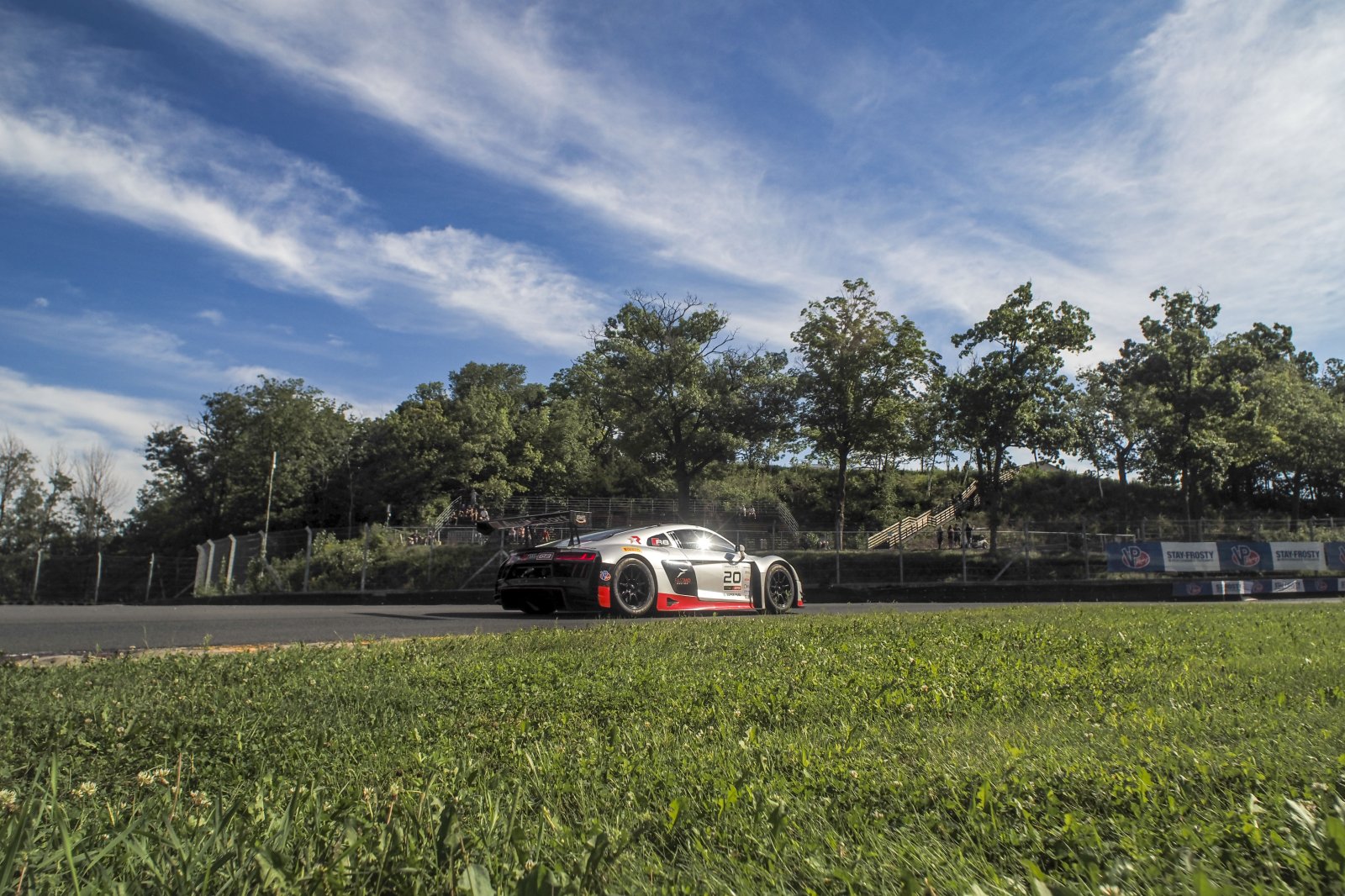
In recent years, there has been a new wave of race tracks gaining popularity through their towering grandstands, modern facilities, and nearby city skylines. And then there is Road America.
Set amid the rolling landscape of Wisconsin’s Kettle Moraine region, Road America feels less like a racetrack built into the countryside and more like a seamless blend of rich racing history perfectly woven into the area that surrounds it. Across hundreds of acres of wooded hills and open grassland, the circuit has become one of motorsport’s most iconic venues both for what happens on track, and because of everything that happens around it.
The cars have changed, the drivers have come and come, and the technology has continued to evolve. The landscape, however, has remained remarkably familiar.
When Road America first came to life in the early 1950s, the existing topography was used to shape the circuit. Rather than flattening the land and imposing a conventional layout, the track was designed around the rolling hills and ravines of the region. When the first races were held, the result was a 4.048-mile, 14-turn road course that looked and felt unlike almost anything else in American motorsport.
More than 70 years later, that same configuration remains intact, and that in itself may be the greatest gift of all. Trees line the edges of the track, hills rise and fall between corners, and long stretches seamlessly blend directly into the landscape. The serenity of it all brings an almost deceptive calmness amidst the chaos of GT machinery. That contrast is part of the magic that makes it so unique and adored. Road America can be intensely loud, spectacular and frantic one moment, then remarkably peaceful the next.

Road America itself describes its grounds as “park-like,” and the description fits. Fans have room to spread out and discover their own perspectives and favorite spots around the circuit, with a plethora of accessible viewing areas all over the place.
Modern motorsport facilities are constantly evolving, with the introduction of new and improved buildings, redesigned corners, expanded spectator areas, all of which can drastically change the overall look and feel. Road America has evolved too, but its defining character has been preserved. Many investments in improvements have been made over the years, yet the original 4.048-mile, 14-turn configuration has never been altered, giving the place a rare sense of continuity.
It means that today’s drivers are experiencing essentially the same fundamental circuit that challenged racers in the 1950s. The machinery may be quicker, but the hills, the trees, the elevation changes and the fundamental elements remain. The physical setting has become a kind of living archive. Road America does not feel like a facility that has been squeezed into every available acre. Instead, it feels expansive and intentional.

A visit to Road America is also a visit to Elkhart Lake, and that relationship adds another layer to the experience. Long before the track existed, racing was already woven into the fabric of the community. Sports car races were held on the public roads, ultimately helping inspire the creation of a permanent circuit when racing in the streets was no longer viable.
Elkhart Lake itself is one of Wisconsin’s most picturesque lakeside communities, with clear water, sandy beaches, trails and a collection of resorts and restaurants. The laid-back atmosphere is a fitting counterpart to the circuit.
Perhaps that is why Road America has earned its nickname as “America’s National Park of Speed.” The phrase captures something that numbers alone cannot. It is a place where history has been allowed to remain visible, but when looking beyond the track, there is an entire identity and way of life that has held on to the character that makes it so special in the first place.
To experience all the beauty of Road America for yourself, get your #GTRoadAmerica tickets now join us from August 28th to 30th for an unforgettable weekend.